
AI-Driven Barcode & RFID Recognition: Elevating Retail and Warehouse Inventory Efficiency
1. Core Pain Points of Traditional Inventory Recognition
2. AI Technology Empowers New Upgrades of Intelligent Recognition
2.1 AI Optimizes Barcode Visual Decoding
2.2 Multi-Sensor Fusion Breaks Technical Barriers
2.3 Realize Large-Scale AI Intelligent Inventory
3. Practical Business Value of AI Intelligent Inventory
4. Selection Standards for Industrial-Grade Intelligent Inventory Terminals

6. Conclusion
AI‑powered barcode, RFID and computer‑vision recognition is reshaping retail and warehouse inventory management. Instead of being limited by clean‑label laboratory conditions, modern edge‑AI technology significantly lifts identification reliability in real‑world problematic scenarios with glare, smudges and label damage. Multi‑sensor fusion breaks down traditional barriers between barcode and RFID workflows, making scalable AI‑assisted inventory counting commercially viable.
This transformation is not about fully replacing human workers with autonomous robots. It is about equipping front‑line staff with smarter tools that eliminate tedious workflow frictions, reduce manual entry errors and deliver more accurate real‑time inventory visibility. Businesses gain clearer stock insights, lower operational costs and fewer lost‑sale risks caused by inventory mismatches.
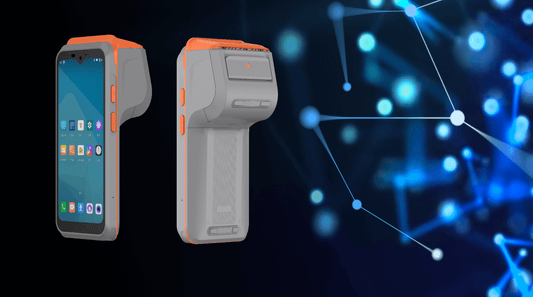
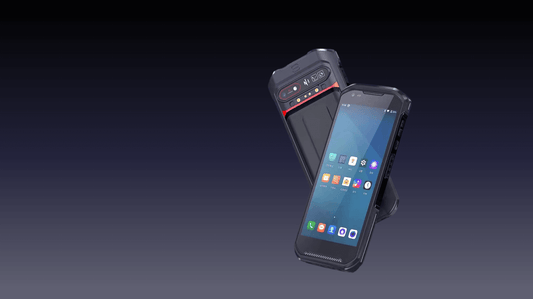
Nonetheless, technology performance depends heavily on well‑selected hardware matching actual site conditions. Integrated multi‑mode rugged handheld terminals such as LS‑HC720S bridge AI algorithm innovation and practical on‑site requirements, offering a practical path for enterprises to step into AI‑driven inventory operations. As edge‑AI models keep advancing, we will continue to see further improvements in recognition robustness and workflow automation across the whole supply‑chain ecosystem.

No comments



0 comments